

How to Spend 2 Days in York, England
This post may contain affiliate links. If you book or purchase through one of these links, I may earn a small commission at no additional cost to you. I only share places and experiences I genuinely recommend.
Why York Belongs on Your England Itinerary
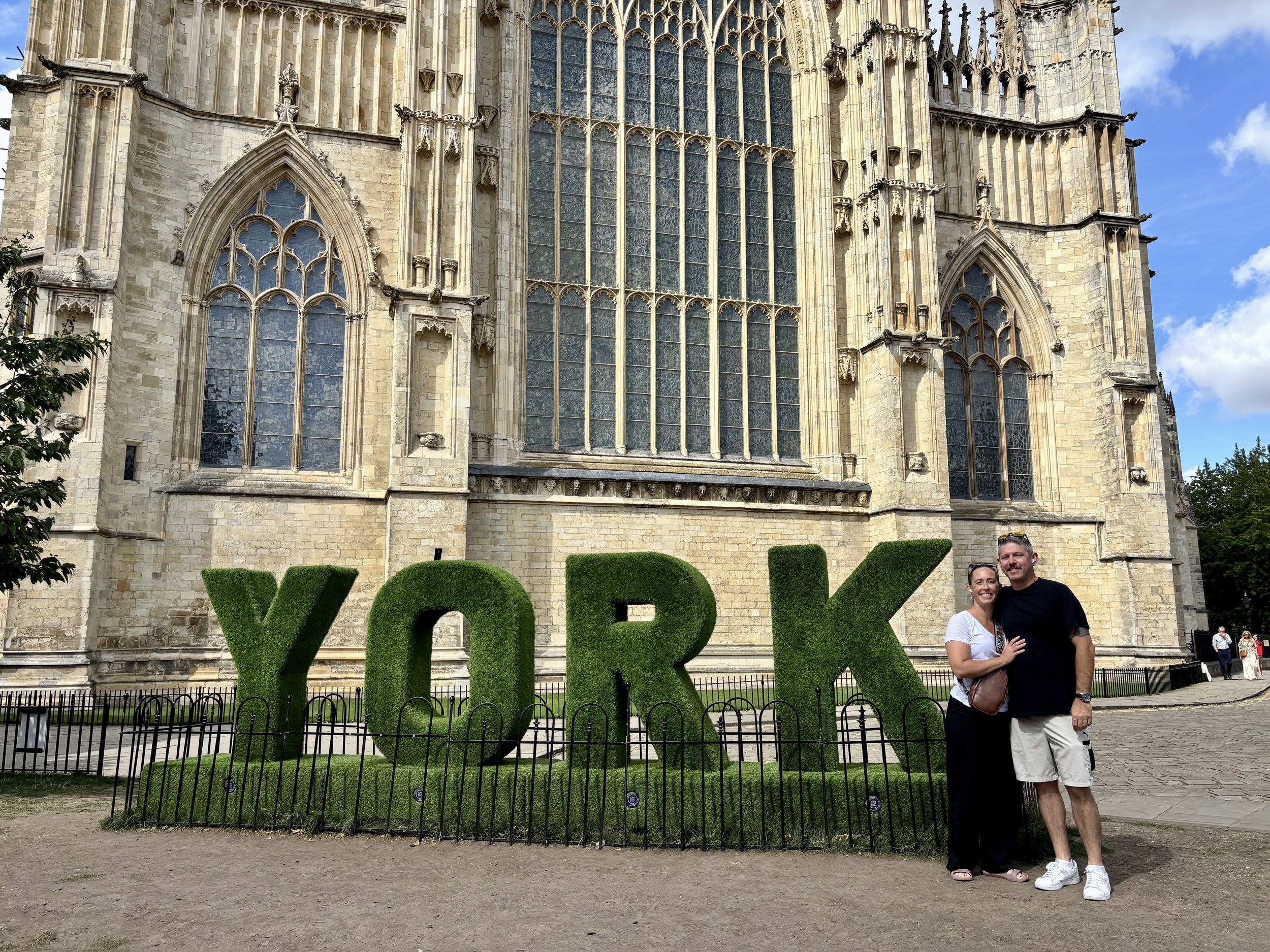
Standing outside York Minster on our 10 year Anniversary Trip
Everyone talks about visiting London—and I understand why. London is beautiful, lively, and filled with so much to see that it constantly encourages you to keep moving. But after several busy days there, taking the train to York felt like stepping into a completely different version of England.
York immediately felt quieter and more intimate. There was less traffic, the streets felt more personal, and ancient buildings seemed to lean over us as we walked beneath them. London made us want to see what was around the next corner. York made us want to sit for a while, order a drink, and then wander without being in any hurry to arrive somewhere else.
Before this trip, I knew York was ancient, quirky, and often described as one of England’s most haunted cities. What I did not understand was how much its architecture and history would affect the feeling of being there. It did not feel like we had simply traveled to another English city. It felt like we had walked into another period of history. York was even better than I anticipated.
This two-day York itinerary follows what we actually did during our two-night stay, including our favorite hotel of the trip, an unexpectedly memorable pub lunch, the touristy-but-still-magical Shambles, and a self-guided audio tour that allowed us to explore almost an entire city for less than the cost of a typical guided excursion.
Our biggest York regret: We only stayed for two nights. Our itinerary did not feel rushed because we planned it around the time we had, but once we realized how much we loved York, we wished we had booked four nights and given ourselves three full days.
Two Days in York at a Glance
Length of stay: Two nights
When we visited: August 2025
Where we stayed: The Grand, York
Transportation in York: Walking only—no rental car, taxis, or rideshares
Best for: First-time visitors who enjoy history, unusual architecture, atmospheric pubs, and exploring a city on foot
Is Two Days in York Enough?
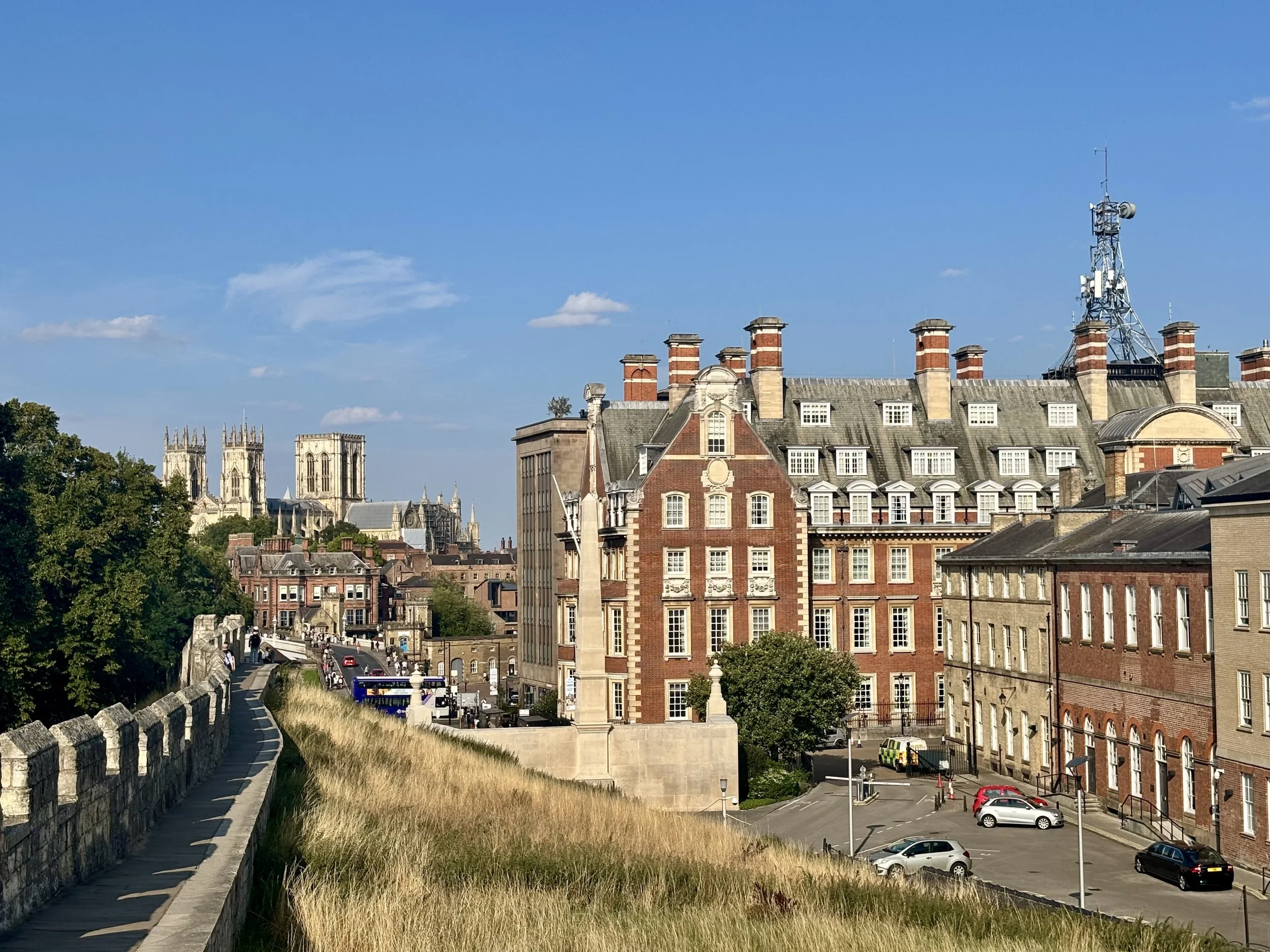
Yorks City Wall with view of historic city center
Two days is enough to experience York’s atmosphere, walk through its historic center, explore part of the city walls, and visit several of its major historic sites. Because the center is compact and walkable, we were able to see a surprising amount without renting a car or relying on taxis.
However, two days was not enough for everything we became interested in after arriving. We left wishing we had time for the JORVIK Viking Centre, one of York’s haunted-history tours, and more of the city’s underground sites. If I were planning this trip again, I would book four nights to give us three full days. That would preserve the slow, wandering quality we loved while leaving room for more ticketed attractions.
If two nights are all you have, though, this itinerary works well—especially if you let your second-day walking route guide you rather than trying to schedule every stop down to the minute.
Getting from London to York by Train
We left London King’s Cross in the morning and traveled to York by LNER train. This was our first true intercity train journey of the trip, and after several days of navigating London, it felt remarkably easy and relaxing. Traveling by train also made York simple to add to a larger England itinerary. We each had one carry-on suitcase and one backpack, stepped off the train in the center of York, and walked directly to our hotel. We did not need to rent a car, figure out parking, or arrange a transfer.
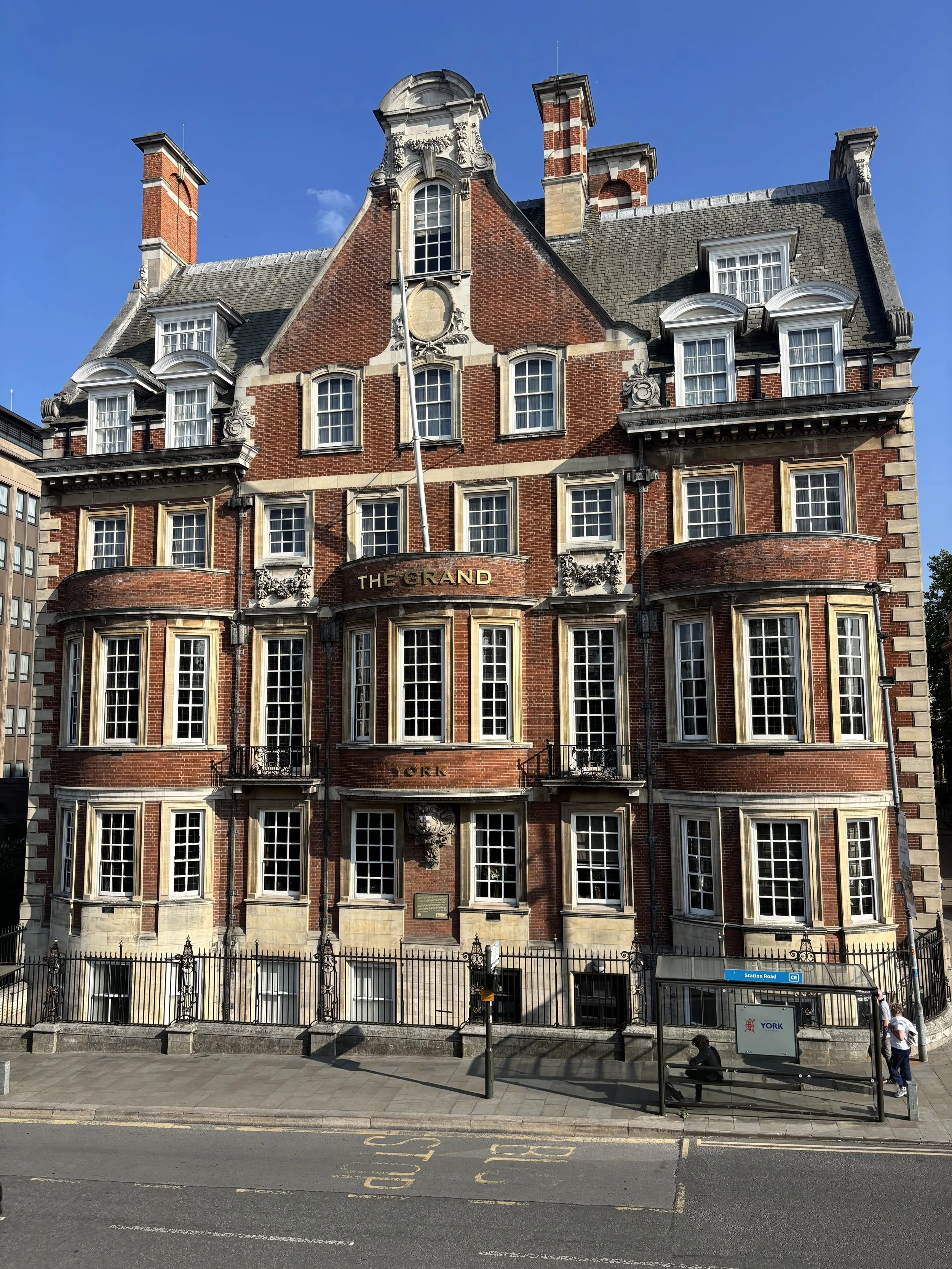
The Grand York hotel exterior from City Wall
Where We Stayed: The Grand, York
The Grand, York was our favorite hotel of the entire London, York, Liverpool, and Dublin trip.
It was an easy walk from York Station, and our room was already available when we arrived. After staying in London, the amount of space immediately stood out: high ceilings, huge windows, a large bedroom, and an enormous bathroom. It felt luxurious without separating us from the city we had come to explore.
The building has its own connection to York’s railway history. It was constructed in 1906 as the headquarters of the North Eastern Railway and later restored as a hotel. Today, The Grand describes itself as York’s only five-star hotel. It is approximately 0.3 miles—or about a three-minute walk—from York Station.
Breakfast was included with our reservation and offered both buffet and cooked-to-order choices. It was fabulous, but breakfast is not included with every room rate, so check the terms of the rate you are booking.
I would recommend The Grand to anyone looking for a luxury stay in a nearly perfect location. Families could also do well here because of the room sizes, although I would choose it for its space, comfort, and location—not because it is a resort-style hotel filled with children’s activities. The hotel has dedicated family rooms with space for up to four guests which can be hard to find in England.
Day 1 in York: Ancient Streets and the Shambles
Arriving in a Completely Different England
After arriving from London, we rolled our carry-on bags from York Station to The Grand and checked in. The walk was short, but the mood of the trip changed almost immediately.
London had been exciting and busy. York felt quieter and more personal. There was very little traffic compared with what we had grown accustomed to, and almost everywhere we looked there seemed to be another ancient wall, crooked building, narrow passage, or unexpected architectural detail. We did not begin our time in York with a formal tour or major attraction. We simply started walking—and that ended up being exactly the right introduction.
Lunch at House of the Trembling Madness

House of the Trembling Madness in York
I knew I loved York the moment we walked into House of the Trembling Madness. The Stonegate location a historic building at 48–50 Stonegate. Historic England lists the property at Grade II*, with surviving fabric dating across several periods. Rather than making the old structure feel like decoration, the timber, low ceilings, and unusual interior make it feel as though the building itself is part of the experience. This was the cool, slightly strange York I had hoped to find.
For lunch, I ordered an eight-hour slow-cooked beef sandwich with horseradish mayonnaise, pickled red onions, rocket, salsa verde, and a pot of beef gravy for dipping. It was enormous, messy in the best way, and so good. I paired it with a Wylam Jakehead IPA. This was also the first time we realized that York seemed much more willing than London to serve us a properly cold beer—something we greatly appreciated.
House of the Trembling Madness was more than a meal stop. It was the moment York’s personality clicked for me: historic but not stuffy, atmospheric without trying too hard, and just quirky enough to make us curious about what else we would find.
Exploring the Shambles
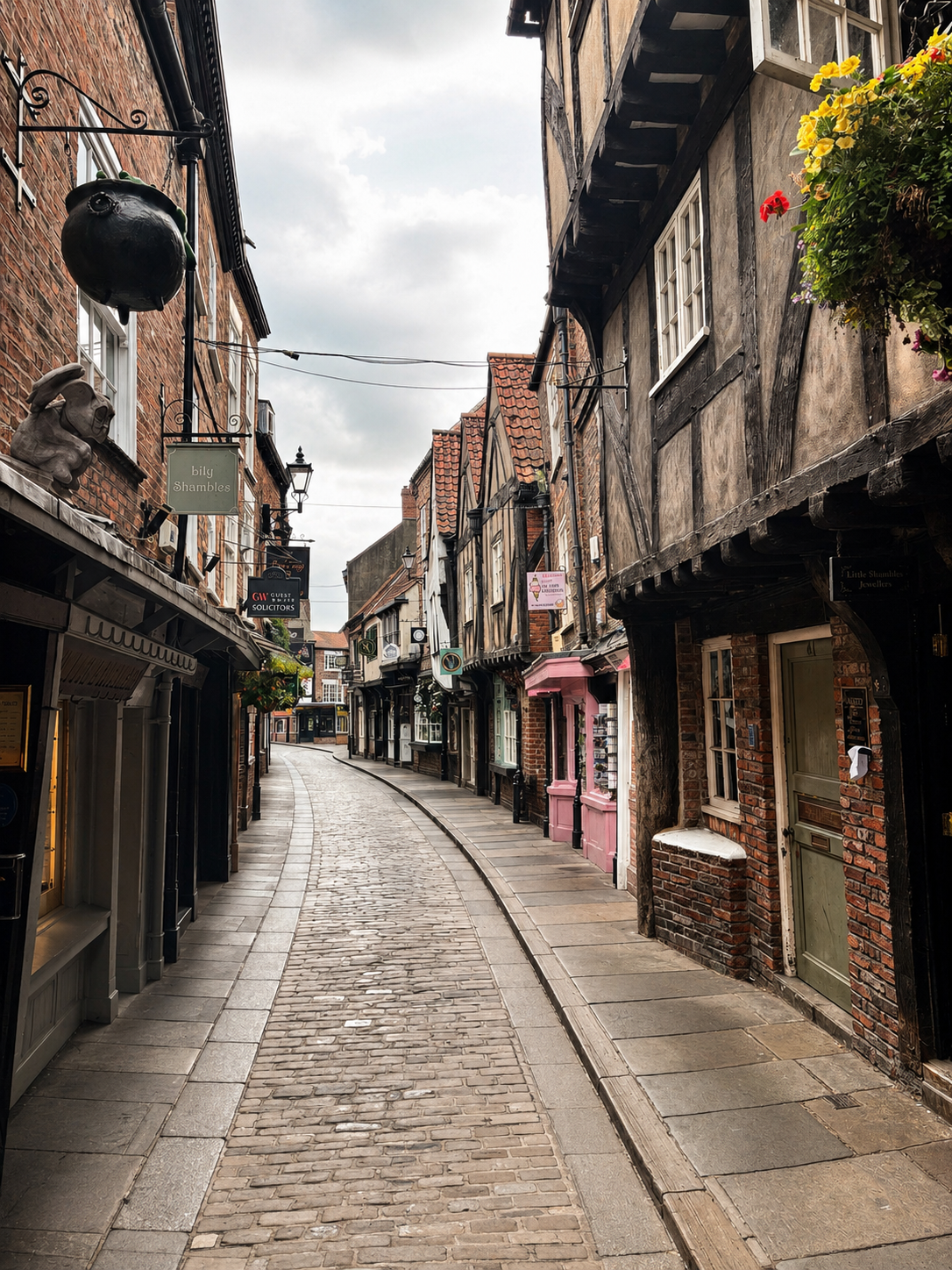
Timber-framed buildings along the Shambles in York, England
After lunch, we wandered toward the Shambles for shopping and unstructured exploring. The Shambles was busy and touristy that afternoon. Some of the most crowded stores leaned heavily into Harry Potter merchandise, and we skipped the places with lines or packed interiors. Even so, walking beneath the overhanging timber-framed buildings still felt a little like wandering through Diagon Alley.
We appreciated the magic of the street without feeling obligated to enter every themed shop. That balance worked well for us: look up at the architecture, walk slowly enough to notice the details, browse the quieter stores, and accept that one of York’s most famous streets will probably also be one of its busiest.
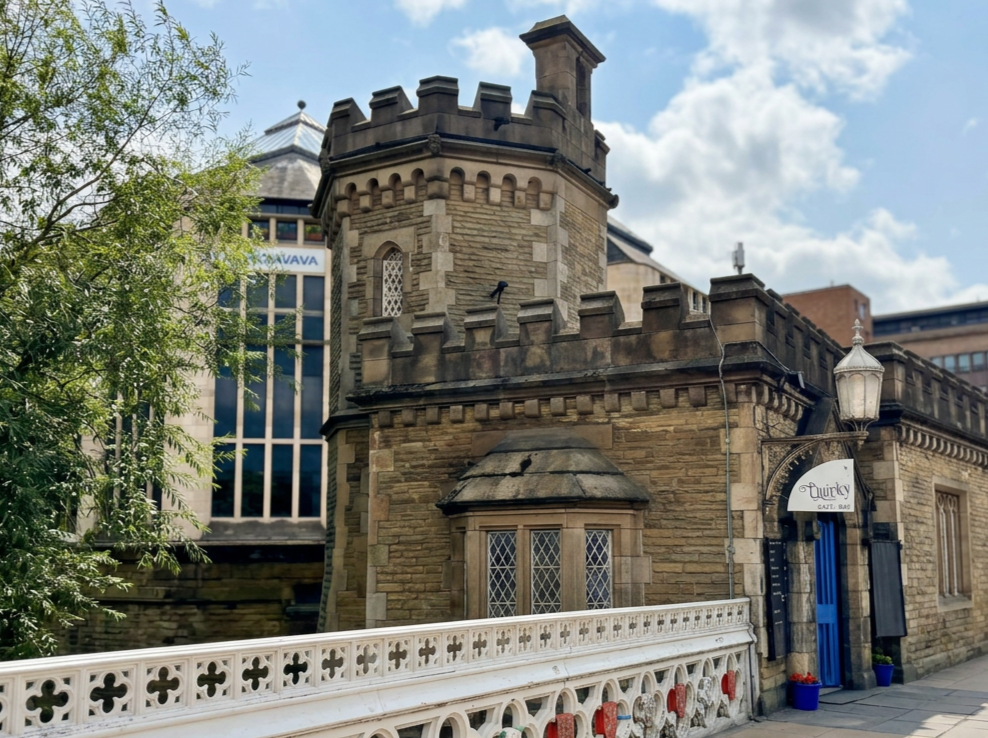
Former Lendal Bridge tollhouse now home to Life on Mars York
An Aperol Spritz Inside a Former Tollhouse
Later that afternoon, we wandered back toward Lendal Bridge and stopped for an Aperol spritz at Quirky Café & Bar.
From the outside, the tiny turreted building looks like a miniature castle or watchtower. It is actually West Lodge, one of the Victorian tollhouses constructed with Lendal Bridge between 1861 and 1863. The Grade II-listed complex includes a cast-iron bridge and two sandstone tollhouses with octagonal, battlemented towers. It is exactly the kind of building that makes an ordinary drink stop in York feel memorable.
I’ve learned that Quirky Café & Bar has since closed. In April 2026, a new cocktail bar called Life on Mars opened in the same West Lodge building. The business has changed, but the reason I would still stop remains the same: it is an opportunity to sit beside the River Ouse with a drink inside a wonderfully unusual piece of York’s history.
Day 2 in York: Exploring an Ancient City with a $5.90 Audio Tour
Our second day in York was built around one of the least expensive activities of our entire trip: Viator’s Self Guided Walking Tour of York with Audio Guide.
The tour is currently listed from $5.90 per person and takes approximately two hours if you follow it without lengthy stops. We listened together through one set of headphones, then allowed the route to guide our entire day. Instead of treating it like something we needed to finish in two hours, we paused for coffee, food, historic sites, and a pint whenever we felt like it.
That flexibility was what made it so good. We had the direction and historical context of a tour without needing to keep up with a group or leave somewhere before we were ready. By the end of the day, our approximately $6 audio guide had led us through Roman ruins, a medieval abbey, York’s city walls, one of its most famous gateways, York Minster, a supposedly haunted pub, an absurdly named street, and eventually a former prison.
Coffee Inside a 14th-Century Tower
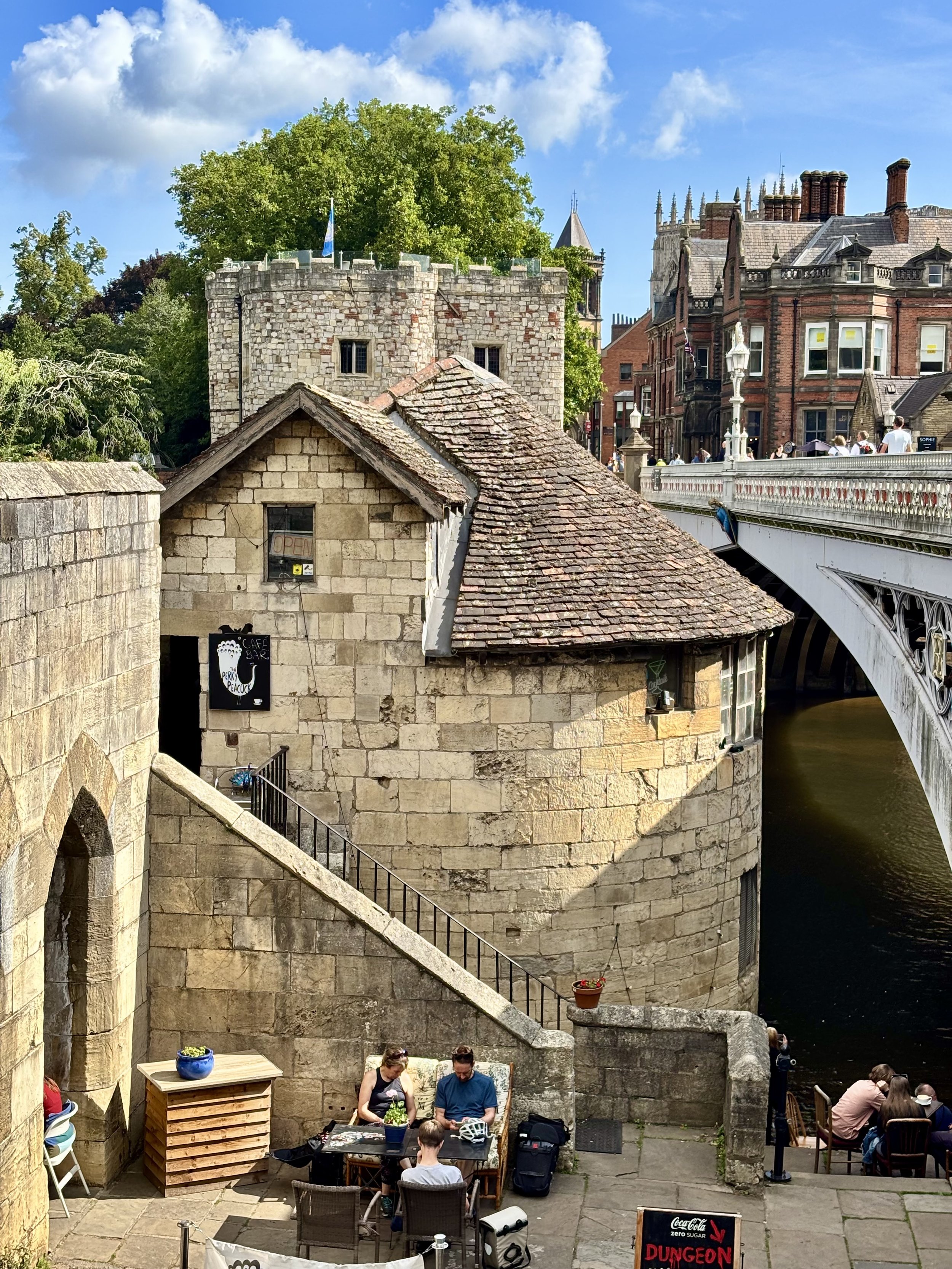
Perky Peacock coffee shop inside medieval Barker Tower in York
We started the morning at the Perky Peacock, where I ordered an iced oat-milk caramel latte before setting off on the walk.
The coffee shop is inside Barker Tower on the bank of the River Ouse. The tower was built in the 14th century and once worked with Lendal Tower on the opposite bank to control boats entering medieval York. A large iron chain could be stretched across the river, serving both as a defense and a way to stop boats so tolls could be collected. Records name a “keeper of the chain” as early as 1380.
We also went down into the tower’s lower level (prior dungeon) where you can now sit and enjoy your coffee and breakfast in the most unique environment. Starting an ordinary morning coffee inside a medieval riverside tower felt like such a perfectly York experience—and set the tone for the rest of the day.
How the Self-Guided York Tour Works
The tour begins at Multangular Tower near York Museum Gardens and currently ends at Clifford’s Tower. It is accessed by smartphone, so there is no physical guide and no fixed departure time. Viator estimates approximately two hours, but that does not include the amount of time we spent stopping for coffee, lunch, drinks, and the museum.
We used it less like a traditional tour and more like a ready-made route through the city. The narration told us where to go and provided context at each stop, but the schedule remained completely ours. That is how a two-hour audio tour became a full day in York. Watch a glimpse of this tour on Instagram.
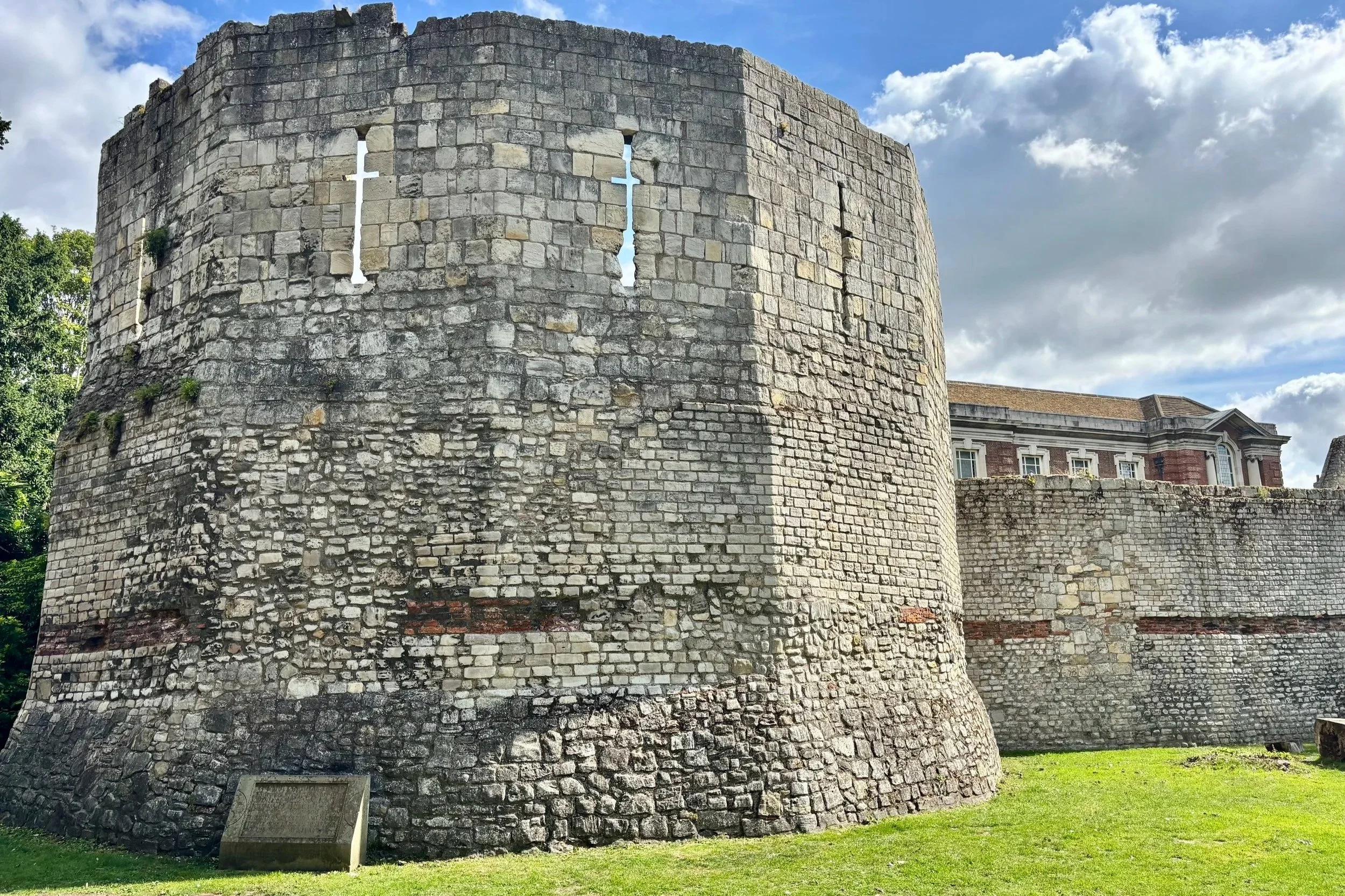
Multangular Tower, York
Multangular Tower: Beginning with Roman York
The official route begins at Multangular Tower, one of the most visible reminders that York’s history extends far beyond its medieval streets.
The lower portions of this area trace back to Roman Eboracum. We learned that current archaeological dating places the Roman walling and Multangular Tower at around AD 100. Standing beside something that old immediately put the rest of the walk into perspective: York was not built during one historic period. Roman, Viking, medieval, and later layers exist almost on top of one another.
The Ruins of St. Mary’s Abbey
From Multangular Tower, the route continued through the Museum Gardens to the ruins of St. Mary’s Abbey.
This was one of those places that encouraged us to slow down. The ruins sit in an open green space rather than behind the walls of a formal attraction, so we could wander among them and begin understanding how much history is tucked into everyday corners of York. The abbey once stood within its own defended precinct. After Henry VIII dissolved England’s monasteries in the 16th century, much of it disappeared, but the surviving ruins still give the gardens a dramatic, almost storybook quality.

The ruins of St. Mary’s Abbey, York
Walking York’s City Walls
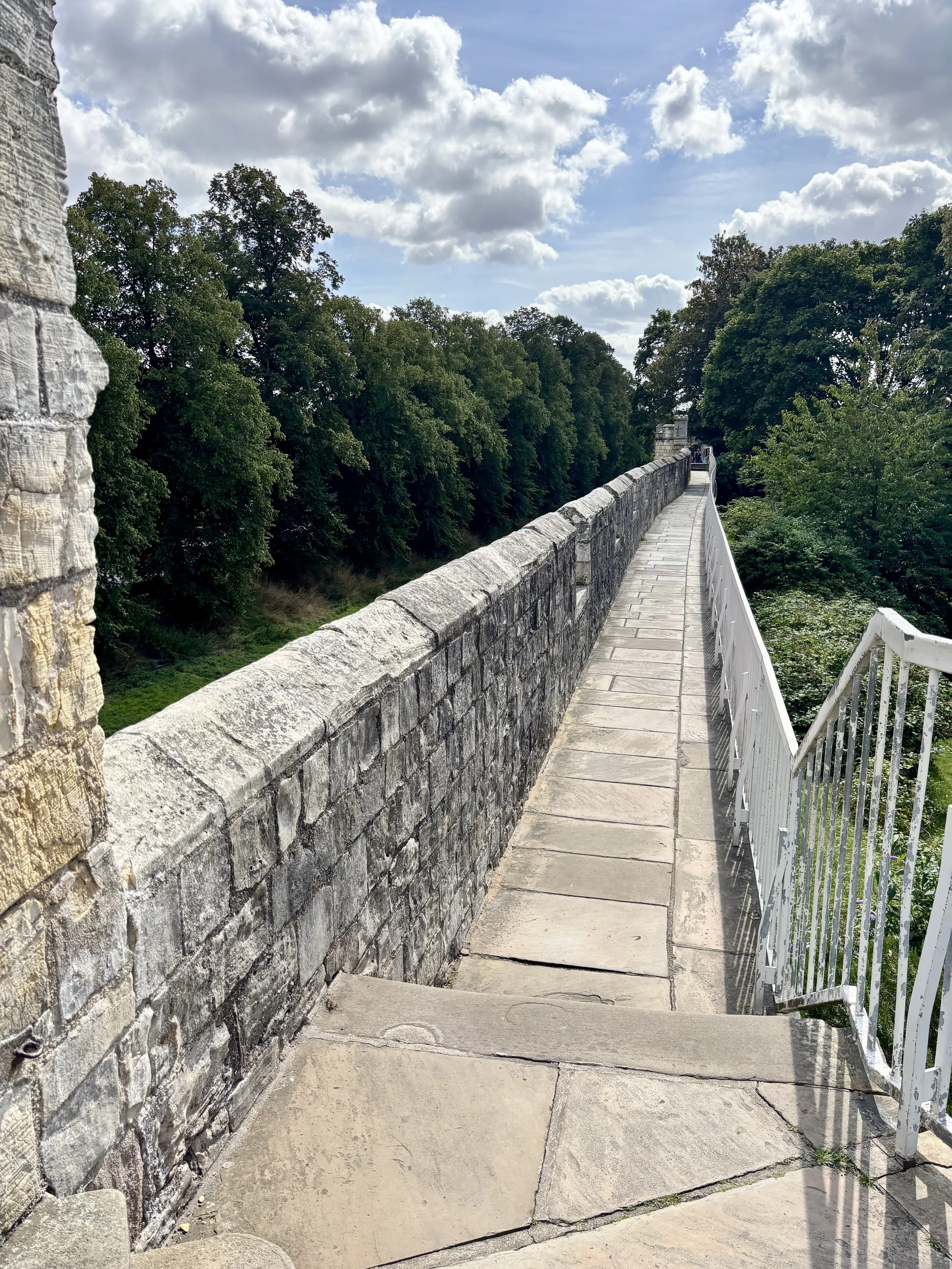
Walking along York’s medieval city walls
York’s city walls were one of the most incredible parts of the entire trip for me. There is something difficult to explain about climbing onto an ancient defensive structure and then simply using it as a walkway through a modern city. We could look toward York Minster and the rooftops while knowing that portions of the route followed defenses shaped over Roman, medieval, and later periods.
The walls visible today are not untouched Roman construction. York’s defenses evolved over centuries, and significant portions of the wall-walk and battlements were repaired or rebuilt by the Victorians. Roman remains and earthworks survive beneath or within parts of the later structure. That layered history made walking them more interesting—not less.
Good walking shoes are essential. I wore the white tennis shoes I used throughout the trip, and they worked well for the stairs, stone surfaces, and full day on foot and worked for nearly every outfit of our carry-on only trip.
Monk Bar: My Favorite Stop
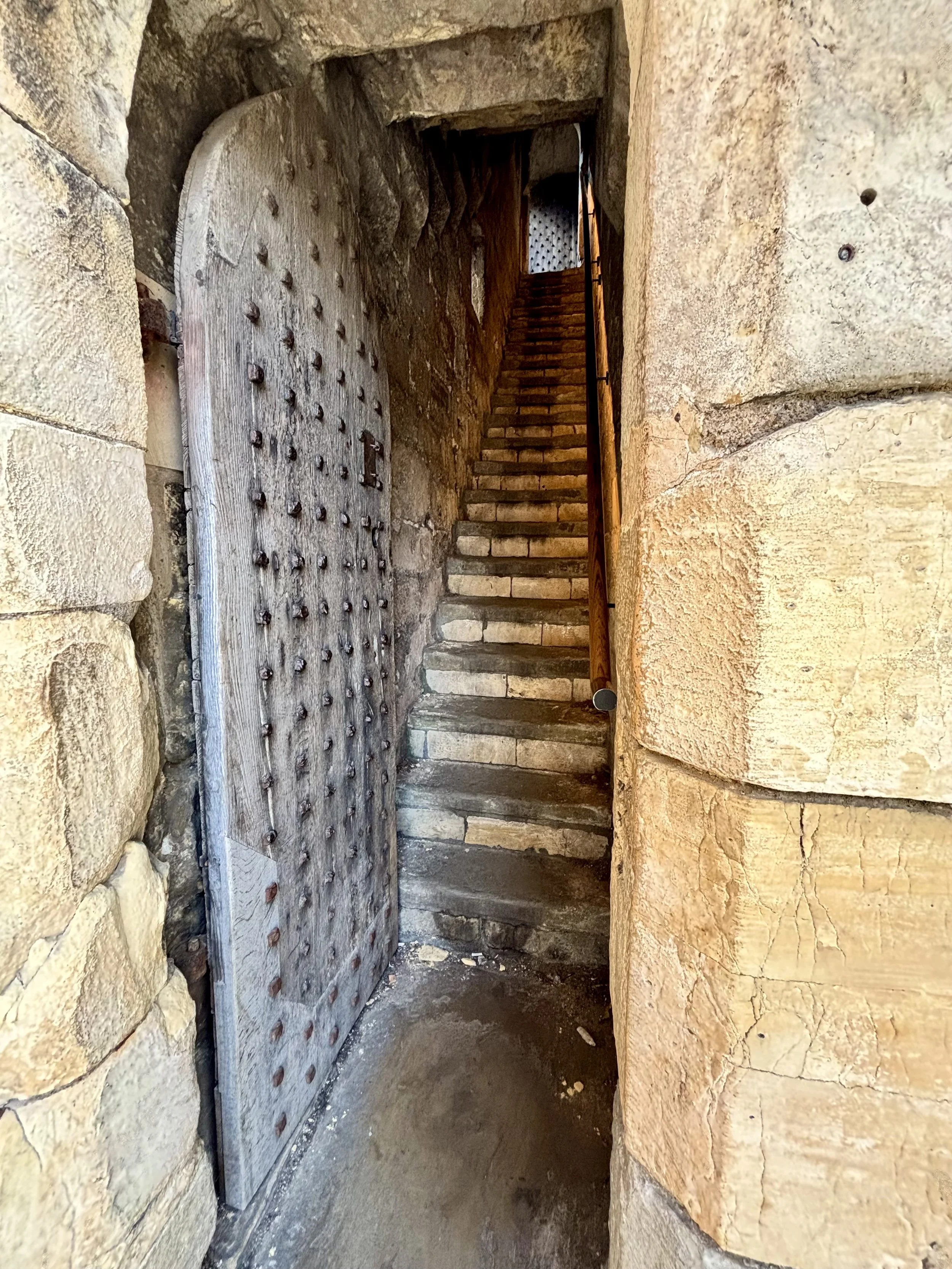
Ancient door beside historic Monk Bar gateway along York’s city walls
Monk Bar was another highlight, simply because it was hard to comprehend how old the structure beneath us was.
In York, a “bar” is not a place to order a drink—it is the local name for one of the city’s fortified medieval gateways. Monk Bar’s upper story was probably added during the time of Richard III, while its medieval defenses included a gate, portcullis, and a confined area where attackers could be trapped beneath defenders. It also retains York’s only surviving medieval back wall on a bar.
This was where the audio format worked particularly well. Without a guide explaining what we were looking at, it would have been easy to photograph an impressive old gateway and keep walking. Hearing the history while standing there made it feel much more real.
Treasurer’s House and York Minster
The route continued past Treasurer’s House and York Minster.
York Minster is impossible to ignore—the scale of it changes the skyline, and different portions appear between buildings as you move through the historic center. We appreciated seeing it as part of the walking route rather than treating it as an isolated stop on a checklist.
We did not structure this day around entering every attraction. That choice kept the tour inexpensive and left room for the places that caught our attention along the way. Travelers who want to tour the interior of York Minster or Treasurer’s House should check current admission requirements and opening hours and allow additional time.
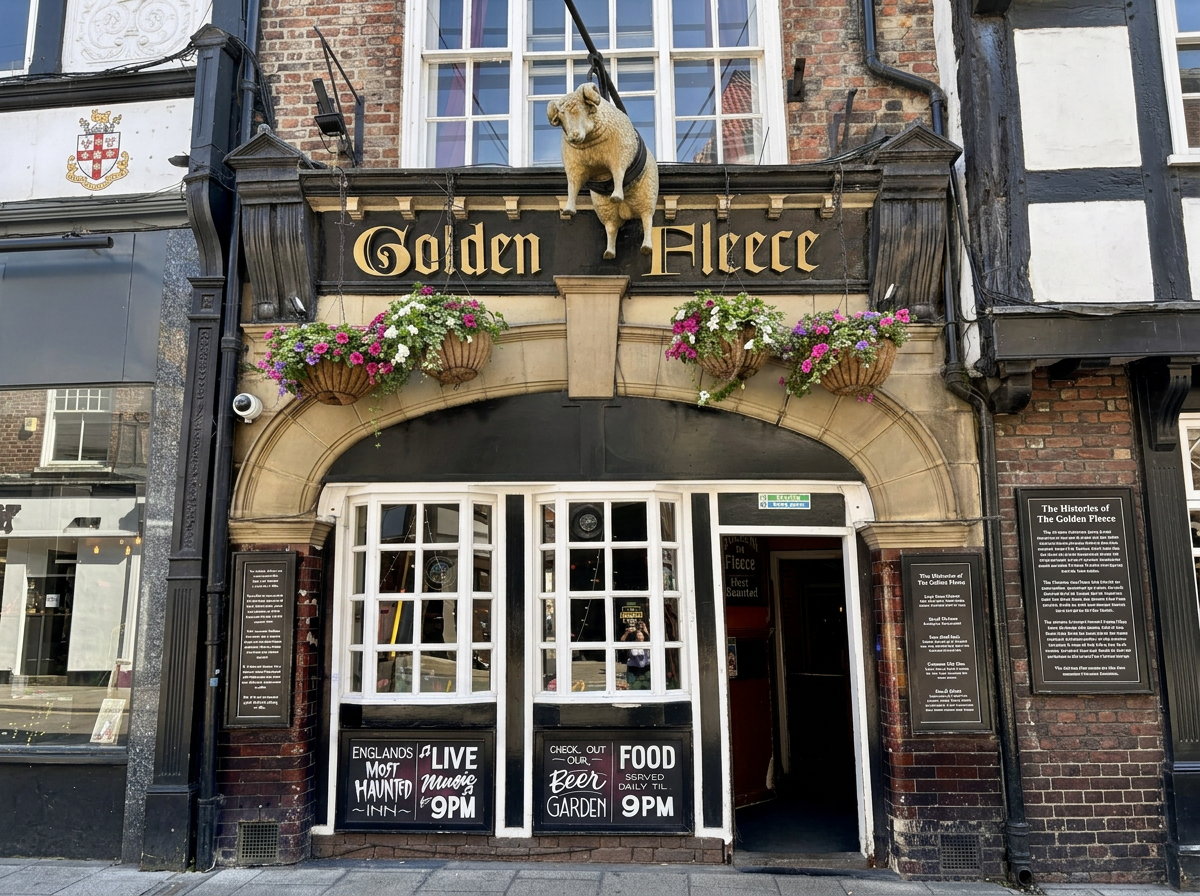
Golden Fleece haunted pub in York, England
A Pint with York’s Ghosts at The Golden Fleece
When the route brought us near The Golden Fleece, we stopped for a pint. The pub appears in York’s historical records as early as 1503 and is closely tied to the city’s long-running ghost stories. It is listed as a famously haunted pub, having stories of more than 15 spirits, including Lady Anne Peckett, the wife of former Lord Mayor John Peckett. The Golden Fleece displays images and stories of its alleged ghostly visitors on the walls, which made our casual drink stop considerably more entertaining. Spoiler alert - we did not see any ghosts*
Whether or not you believe the stories, the pub’s age and atmosphere make it a fun stop. I loved this piece of York’s personality enough that I would like to return specifically for a guided ghost or haunted-pub tour.
Whip-Ma-Whop-Ma-Gate: A Very Short Street with a Very Long Name
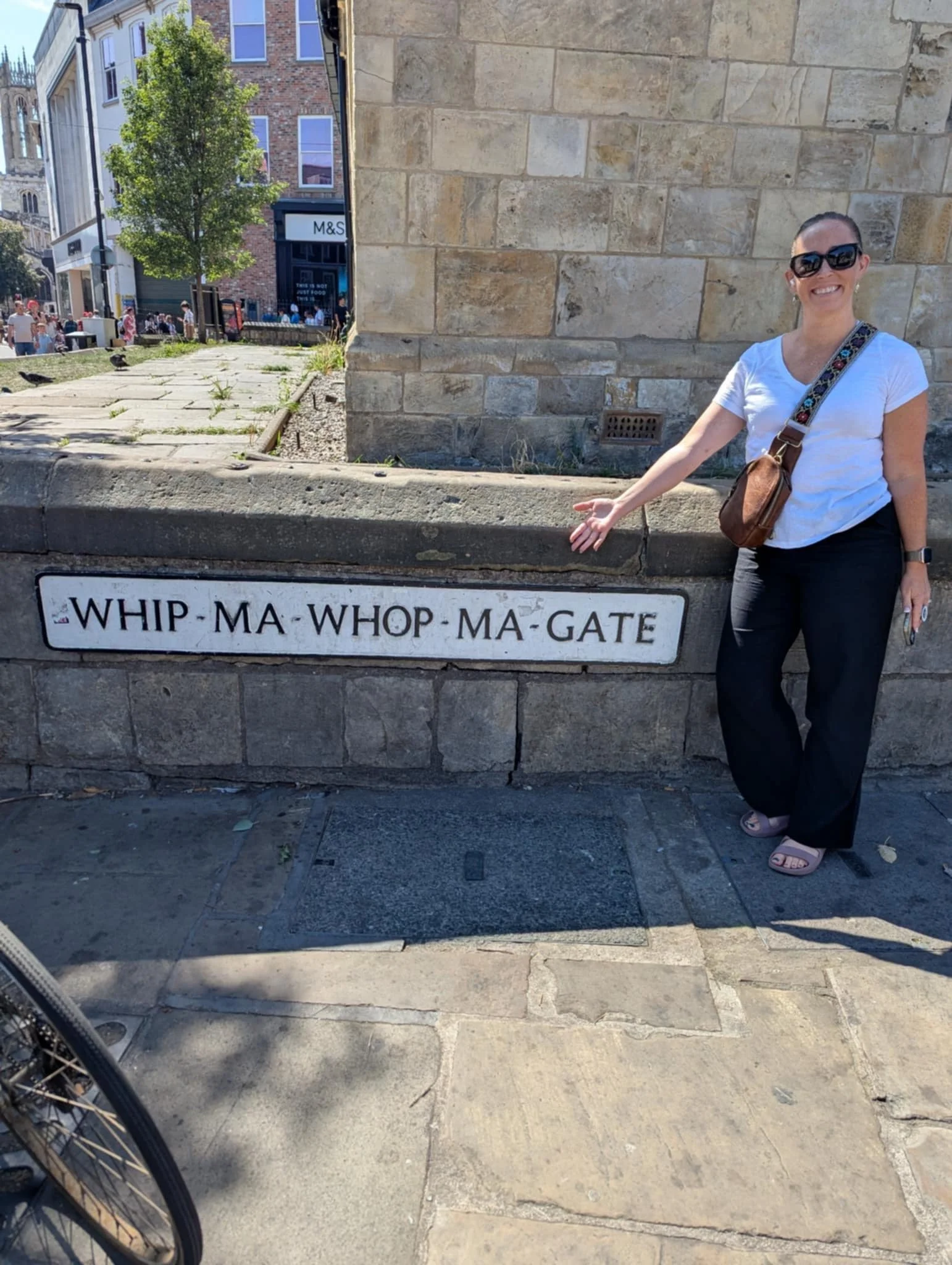
Whip-Ma-Whop-Ma-Gate street sign in York
Then there was Whip-Ma-Whop-Ma-Gate, which was memorable mainly because it was so funny. The street is only about 20 meters long, yet its name feels as though it takes nearly that long to say. Its origin is not certain. York Civic Trust notes that it was recorded in 1505 as Whitnourwhatnourgate and later as Whitney Whatneygate, likely as a derisive or nonsensical name. That makes the popular whipping-site explanation far less certain than many retellings suggest.
It is often described as York’s shortest street and is exactly the kind of strange, tiny detail that made this city so enjoyable.
Lunch Along the Route
We stopped for lunch at Stonegate Yard Bar & Brasserie, tucked inside a Georgian townhouse on Little Stonegate. We ordered burgers—but then watched another table receive an entire rotisserie chicken. Their surprise when a whole chicken landed in front of them was hysterical, and we immediately realized that would have been a much more memorable lunch experience. It became one of those funny travel moments we still remember—and if we return, we already know what we’re ordering.
That imperfect detail is also part of why I liked this itinerary: lunch did not need to be a reservation or destination. We ate when we were hungry and then returned to the tour.
Adding York Castle Museum
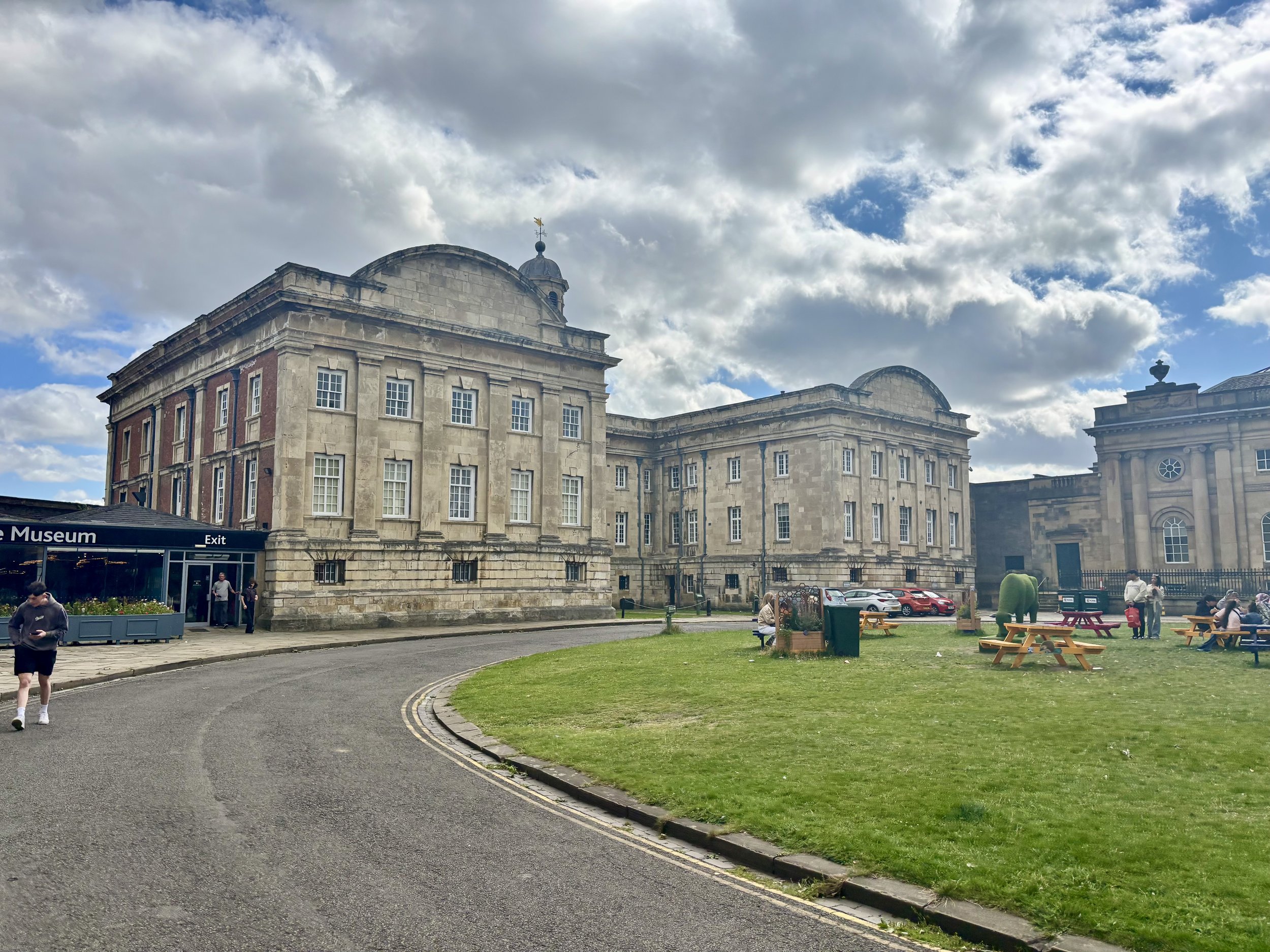
York Castle Museum, England
The audio tour ends near Clifford’s Tower, but we added York Castle Museum after reading strong reviews on Tripadvisor. This was a separate, paid attraction and was not included with the audio tour. We spent approximately 90 minutes inside and thought it was worth the additional admission.
The museum occupies two historic prison buildings: the Debtors’ Prison, built in 1705, and the former Female Prison, constructed in the 1780s. Its prison exhibition uses the original cells to tell stories of former inmates and the brutal conditions and justice system they experienced. Walking through the old cells and seeing carvings left in the walls was the most memorable part for me. The stories throughout the exhibit transformed the prison from an old building into something much more personal.
Was York Castle Museum worth it?
Yes—especially if you are interested in social history, prisons, or the experiences of ordinary people rather than only grand buildings and royal history. Allow at least 90 minutes, and more if you like reading every exhibit.
An Unexpected Brazilian Dinner in York
We ended the day at Casa Brazilian Rodizio. Brazilian rodizio was not the type of dinner I expected to associate with an ancient English city, which was part of what made it fun. After spending the day immersed in Roman walls, medieval gateways, haunted-pub stories, and old prison cells, finishing with a lively Brazilian meal was an unexpected change of pace. It was a reminder that York is not a museum set. Its history is everywhere, but it is also a living city with restaurants and experiences that have nothing to do with medieval England.
What We Would Add with One More Day in York
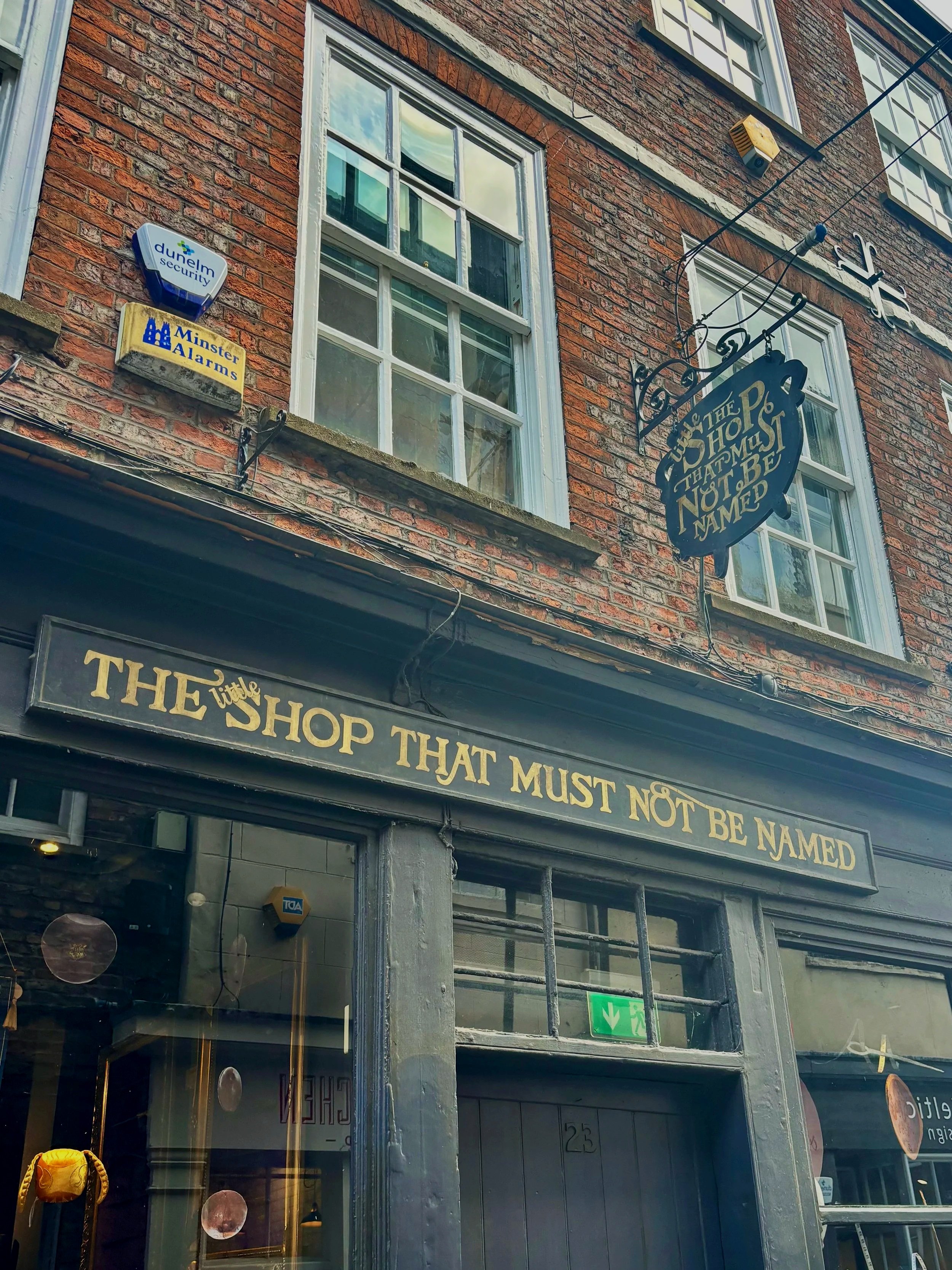
The Little Shop That Must Not Be Names, The Shambles, York
If we had stayed for a third full day, my priorities would have been:
JORVIK Viking Centre to better understand the Viking layer of York’s history.
A guided ghost or haunted-pub tour, because the stories at The Golden Fleece made me want much more of York’s darker history.
An underground-history experience to see what survives beneath the present-day streets.
Those additions are why I would now choose four nights rather than two. Two days introduced us to York. Three full days would have allowed us to explore it without losing the slow pace that made us love it.
Practical Tips for Planning Two Days in York
York is one of the easiest cities we visited without a car, but a little advance planning will help you protect the unhurried pace that makes it so enjoyable.
Stay within walking distance of the historic center
We walked everywhere during our stay—no rental car, taxis, rideshares, or local transit. Staying at The Grand placed us within an easy walk of both York Station and the historic center, so we could arrive with our luggage, check in, and immediately begin exploring. If The Grand is outside your budget, I would still prioritize location over extra hotel amenities. For a two-night stay, being able to walk out the door and into York saves both time and transportation costs.
Check current rates and availability at The Grand, York
Reserve the attractions you care about most
Our self-guided audio tour gave us flexibility because it did not have a traditional meeting time, but several of York’s ticketed attractions may sell out or have limited entry slots. If JORVIK Viking Centre is a priority, book it before arriving. Its official booking page currently describes advance booking as essential. York Castle Museum also recommends advance reservations on Saturdays and during school holidays.
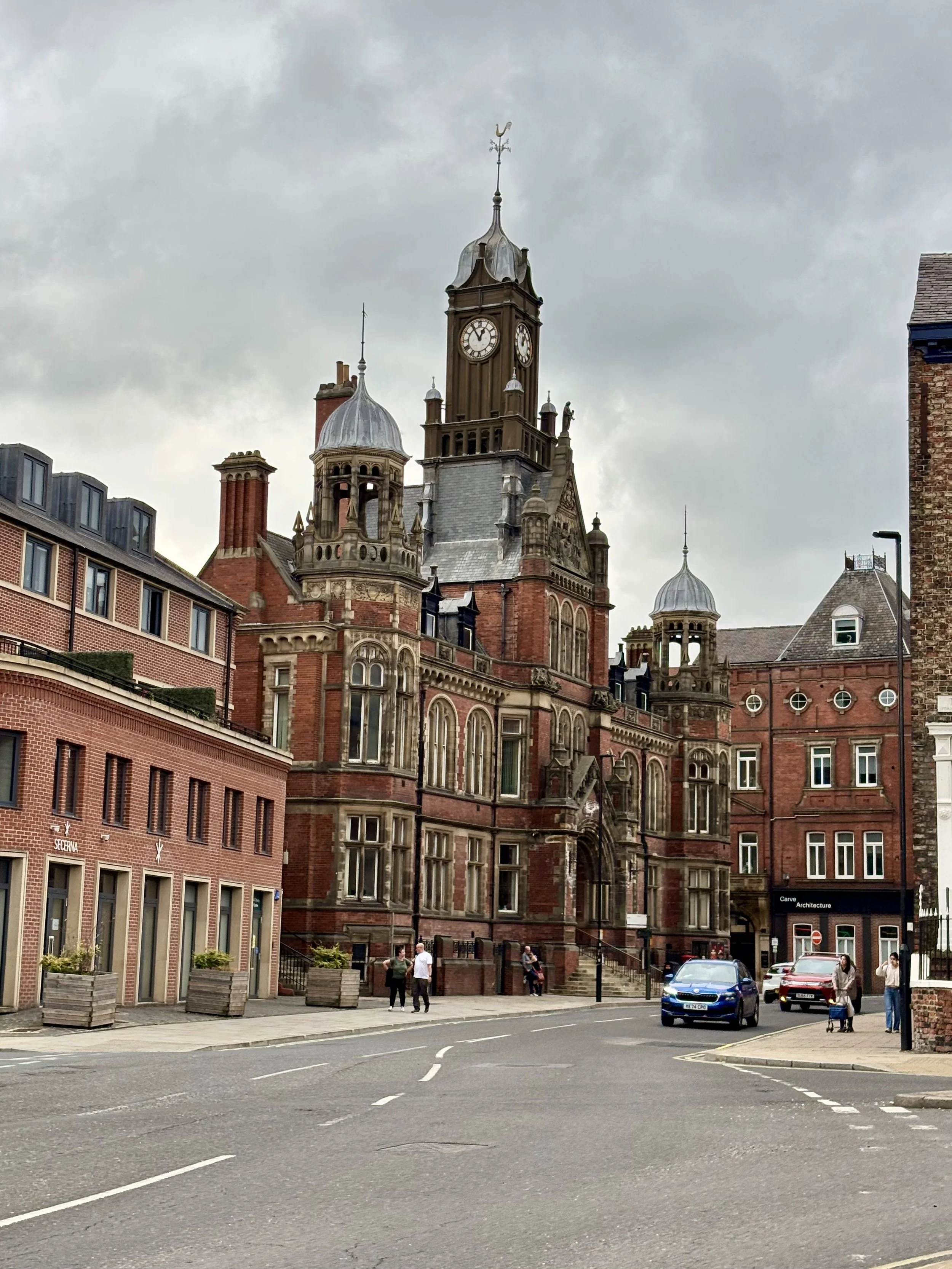
Historic York Magistrates’ Court building, York, England
Wear comfortable walking shoes
York is compact, but this itinerary involves a full day of cobblestones, stone stairs, historic walls, and ordinary city walking. My white tennis shoes worked well, and I would choose a supportive everyday walking shoe over anything dressier.
My white walking shoes
Alternative hiking sandals
Leave room to wander
The biggest mistake I could have made in York would have been filling every hour with reservations. Our favorite moments included walking into House of the Trembling Madness, sitting with an Aperol spritz inside an old tollhouse, and following the audio route until something else caught our attention. Choose one or two timed priorities, then leave space between them. York rewards curiosity more than an overfilled checklist.
How We Booked The Grand, York with Miles
The cash value of our two-night stay was approximately $729.34. We used 57,588 Capital One miles and paid $153.46.
This was part of our larger strategy for the full England and Ireland trip: use points and miles to reduce the expensive transportation and hotel costs, then preserve more cash for the experiences we wanted once we arrived. For the full breakdown of our flights, hotels, points, and out-of-pocket expenses, read:
How We Booked Our England and Ireland Trip with Points and Miles
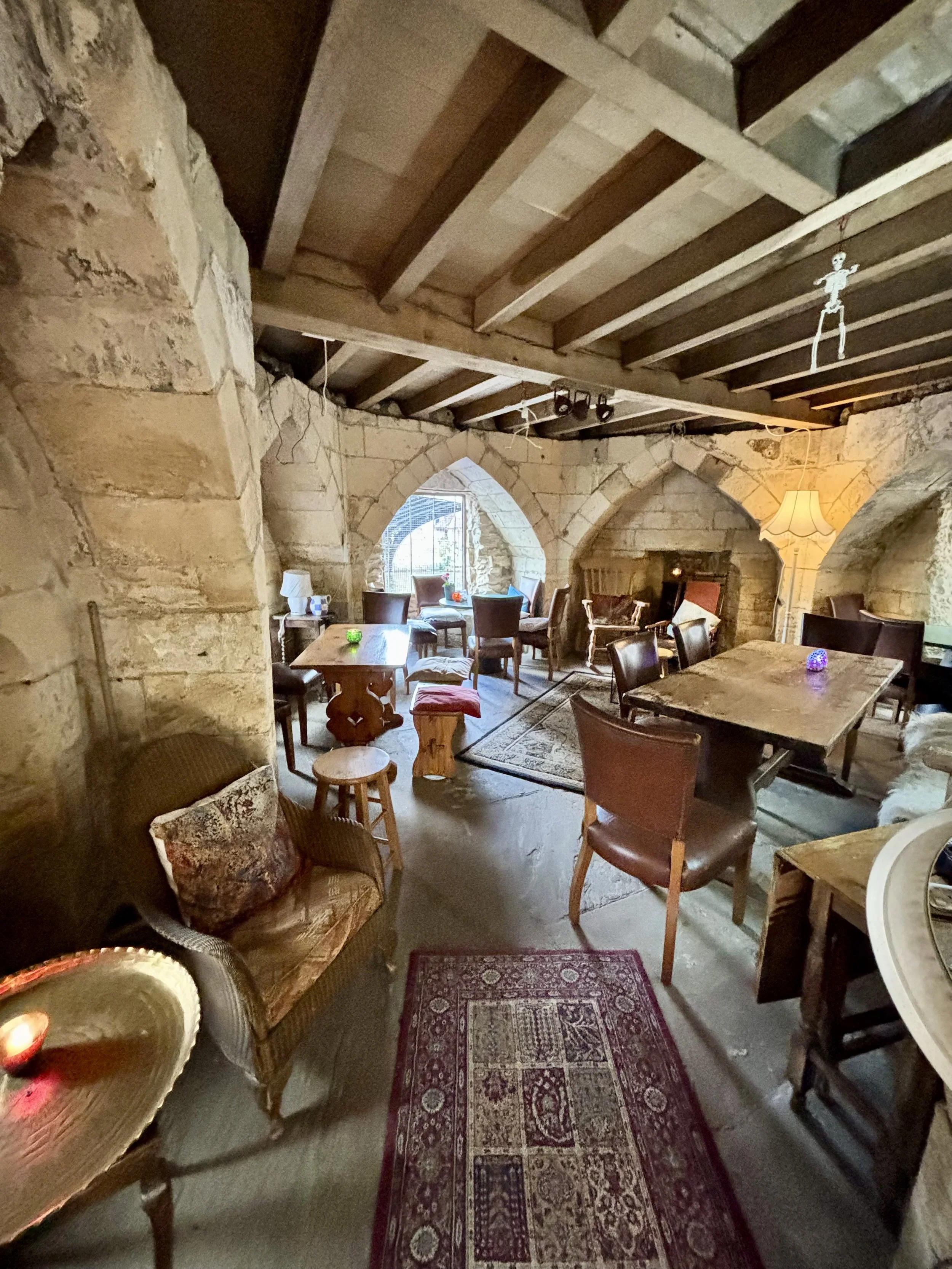
The Perky Peacock lower level, prior dungeon, York
What I Would Do Differently Next Time
Our two-day itinerary worked, but knowing what I know now, I would make four changes:
Stay four nights instead of two. I would want three full days without sacrificing the slower pace we loved.
Prebook JORVIK Viking Centre. We underestimated how interested we would become in York’s layered Roman, Viking, and medieval history.
Take a guided ghost tour. The Golden Fleece made me want more of the stories behind York’s reputation as a haunted city.
Choose an underground-history experience. I would love to see more of what survives beneath the present streets.
I would keep everything else: arriving by train, staying near the station, exploring on foot, and using the self-guided audio tour as a loose framework rather than a strict schedule.
Frequently Asked Questions About Visiting York
How many days do you need in York?
Two days is enough for a first visit if you want to see the Shambles, walk part of the city walls, visit several historic sites, and enjoy a few pubs and restaurants. If you want JORVIK Viking Centre, York Minster’s interior, museums, ghost tours, and time to wander, I would plan three full days.
Can you visit York as a day trip from London?
Yes. Direct LNER trains currently average approximately 2 hours and 2 minutes each way. A day trip is possible, but it creates a long travel day and limits York’s evening experiences. I recommend staying at least one night, with two or more nights being much better.
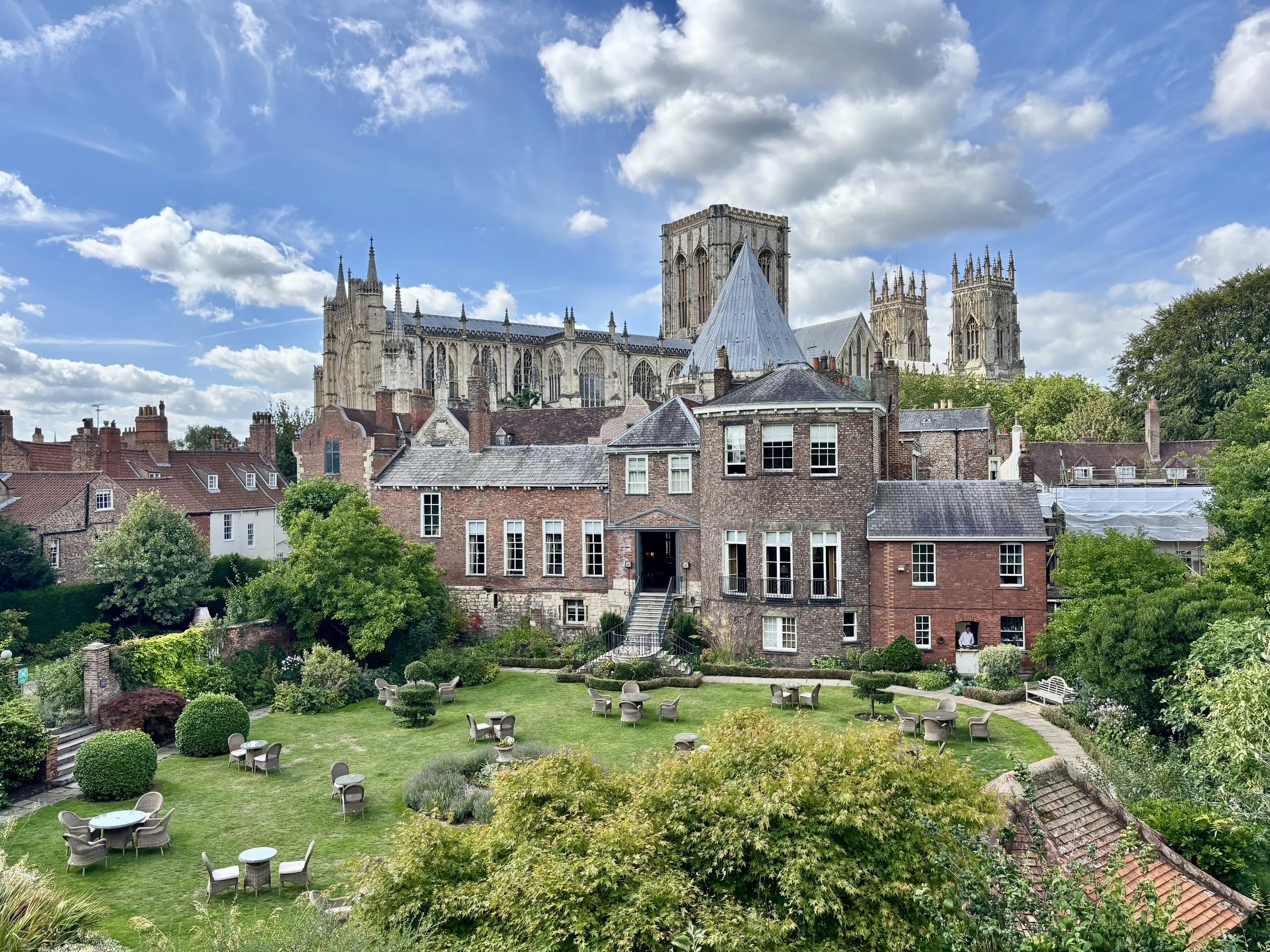
Historic Grays Court garden and historic townhouse, York, England
Do you need a car in York?
No. We arrived by train and walked everywhere. For this itinerary, a car would have added parking concerns without providing a meaningful advantage.
Is York easy to walk around?
The historic center is compact and very walkable, but expect cobblestones, uneven surfaces, and stairs—especially on the city walls and inside old towers. Comfortable shoes matter. The elevated wall-walk is not wheelchair- or stroller-accessible, although York can still be explored using ground-level routes.
Are York’s city walls free?
Yes. The city walls are free to access. They generally open around 8:00 a.m. and close at dusk.
Is York good for families?
Yes. York’s compact center, city walls, towers, railway history, Viking attractions, and ghost stories can work well for families. Parents should know that parts of the wall-walk have steep steps, narrow paths, and exposed sides, and strollers are not practical on the elevated walls.
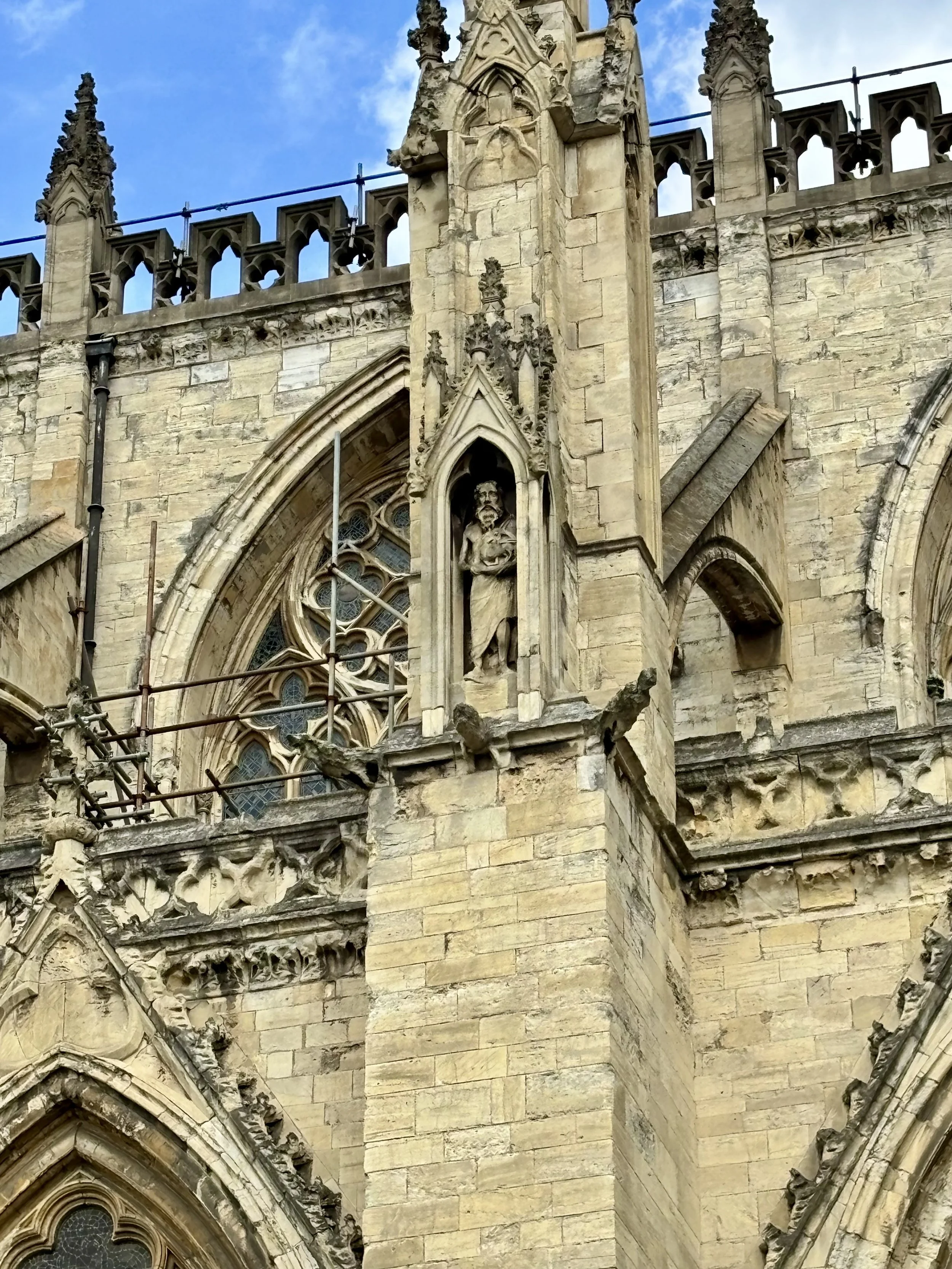
Detailed exterior view of Gothic architecture of York Minster
Where should you stay in York without a car?
Stay near York Station or within the historic center. We loved The Grand because it was an easy walk from the station while still placing us close to the main sights. Its space, service, and included breakfast under our particular rate made it our favorite hotel of the trip.
What should you book before visiting York?
Reserve any must-do timed attractions, particularly JORVIK Viking Centre, York Minster, York Castle Museum during busy periods, or a specific guided ghost tour. A flexible audio tour can fill the space between those reservations.
What should you pack for York?
Bring supportive walking shoes and layers appropriate for the season. A light rain jacket is useful because much of this itinerary is outdoors. We traveled carry-on only and scheduled laundry in York, which allowed us to pack fewer everyday clothes.
What to Pack for London and Ireland in August - Coming Soon
Final Thoughts: The England Stop I Did Not Expect to Love This Much
I expected to appreciate York’s age and haunted history. I did not expect the city to change the entire rhythm of our trip. After London, York felt quieter, closer, and more personal. The buildings did not feel like individual landmarks we needed to photograph and move past. They surrounded us. We ate beneath old beams, drank inside a former tollhouse, started the morning in a medieval tower, walked along the city’s defenses, and ended the day inside old prison cells.
But the reason I loved York was not only its history. It was the permission the city seemed to give us to slow down. We could let a $6 audio tour guide the day, stop for a pint when we wanted one, laugh at a ridiculously named street, and keep walking simply because we were curious about what was ahead.
London had been one of the destinations we built the trip around. York was the place that surprised me.
If you are planning an England itinerary and wondering whether York is worth the train ride, my answer is yes—and if you can, give it more than a day. Stay after the day-trippers leave. Walk without a checklist. Leave enough room for the city to become something more than the historic stop you expected.
It certainly did for me.
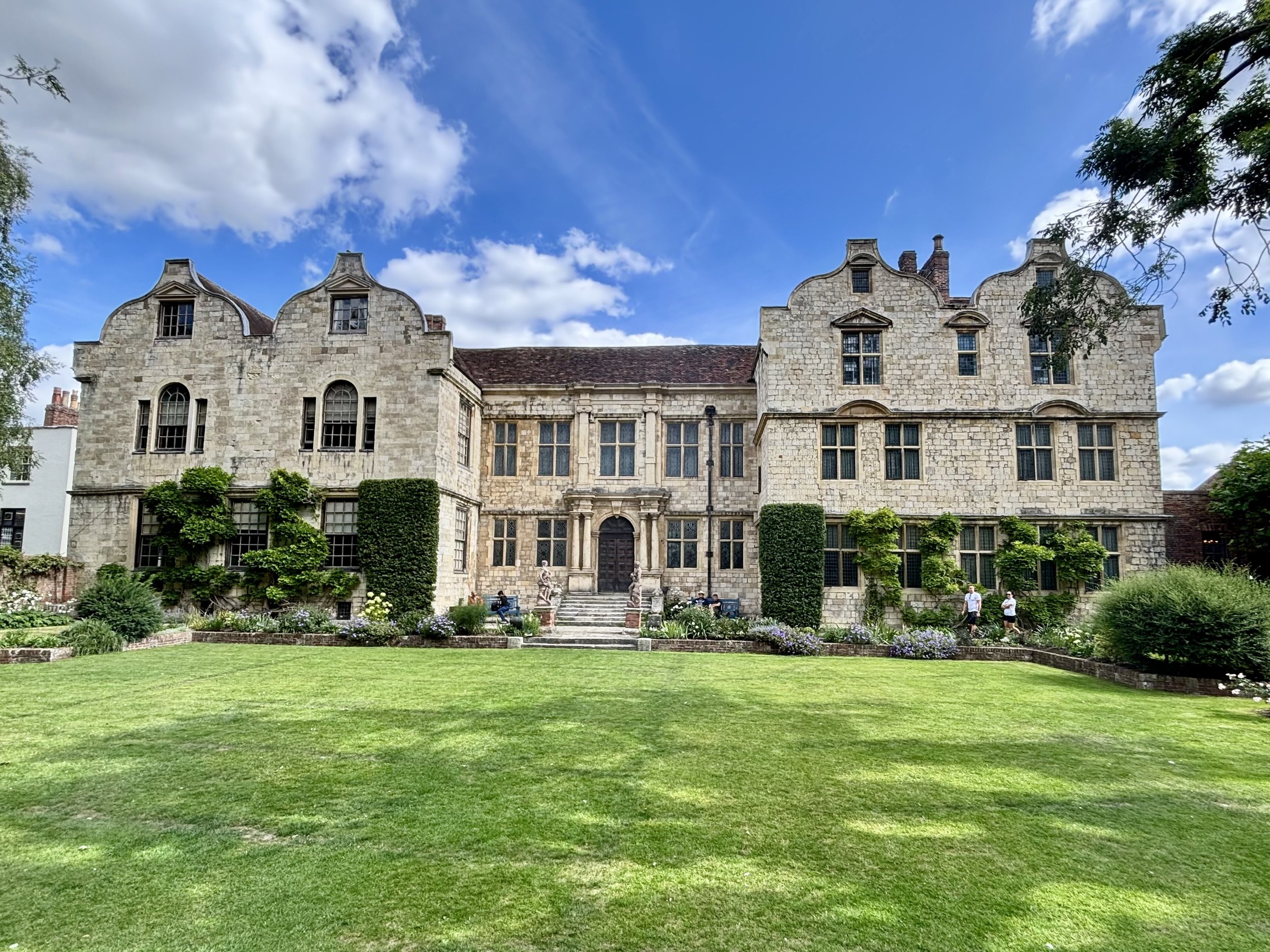
The Treasurer’s House in York, England
Continue Planning This England and Ireland Trip
Planning the same route? Start with the complete England and Ireland itinerary to see how we connected London, York, Liverpool, and Dublin without renting a car.
